Systematic Triage of clang-tidy & Clang Static Analyzer
•
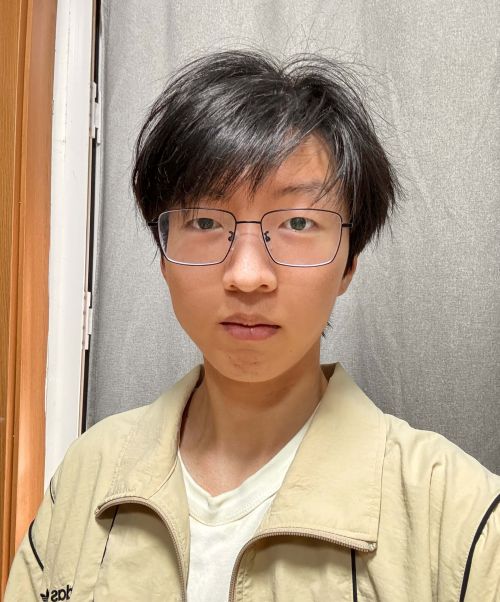 Peiqi Li


Introduction
Hello everyone! I am thrilled to join the Compiler Research team as a CppAlliance Fellow for the 2026 cycle. Over the next six months, I will be working closely with my mentors to systematically process and resolve the highest-impact open requests in clang-tidy and the Clang Static Analyzer (CSA). The ultimate goal is to reduce diagnostic noise—such as high-frequency false positives and unsafe fix-it hints—in modern C++ codebases.
Mentors: Vassil Vassilev, Aaron Ballman, Martin Vassilev
Overview
Static analysis tools are a developer’s best friend, but even a small false-positive rate can lead to NOLINT fatigue, often causing engineering teams to disable incredibly useful checks altogether.
Currently, the issue trackers for clang-tidy and CSA hold a massive backlog of reports covering false positives, invalid fix-it hints, and performance regressions. Many of these issues are well-motivated and severely affect real-world adoption, but remain unresolved due to limited maintainer bandwidth rather than technical difficulty. This project targets these exact high-friction points to restore trust in automated C++ diagnostics and refactoring.
Technical Implementation
To guarantee that fixes are conservative and well-tested, the project will rely on a strict standard operating procedure:
- Minimal Reproducer Extraction: Isolating reported bugs into standalone C++ snippets devoid of external library dependencies to bypass environment-specific variables.
- Narrowest-Layer Application: Applying fixes at the narrowest possible layer (e.g., AST matcher refinement vs. check-level logic vs. analyzer state transition) to prevent unintended cross-check regressions.
- Fix-it Safety Contracts: Downgrading or completely removing
fix-ithints if they cannot be guaranteed 100% safe (for instance, during complex macro expansions). - Targeted Regression Testing: Backing every patch with
llvm-litandFileChecktests, explicitly including negative tests to prove the absence of new false positives.
Goals
In the coming months, my primary aim is to decrease diagnostic noise and increase the perceived reliability of Clang-based tooling. The roadmap to achieve this includes:
- Setting up a fully working local LLVM build with
clang-tools-extra. - Systematically triaging the issue backlog to extract a prioritized matrix of high-impact targets.
- Resolving AST blind spots related to modern C++ constructs (e.g., templates, perfect forwarding, and implicit conversions) using refined AST matchers.
- Selectively addressing CSA issues where the root cause heavily overlaps with front-end semantics.
- Providing comprehensive documentation and upstream issue follow-ups for any remaining edge cases.